

 Русский язык
 Deutsch
 Italiano
 Français
 Español
 Português
 Türkçe




Meet Bolivian Singles Here

The Silent Departure: Understanding the Lives and
Dreams of Single Young Women in Bolivia
In the high-altitude streets of La Paz and the humid lowlands of Santa Cruz, a quiet but persistent transition is underway. For single young women in Bolivia, life is often a delicate balancing act between deep-rooted tradition and the modern desire for personal autonomy. While the image of Bolivian women is frequently painted with broad strokes of vibrant skirts (polleras) and bowler hats, the reality for the next generation is far more complex. This is the story of their lives, their relationships, and the powerful pull that leads many to seek a future in the United States. Let us look at dating Bolivian women.
Lives Rooted in Contrast
The daily life of a single Bolivian woman is defined by striking contrasts. On one hand, the culture remains deeply conservative, with strong Roman Catholic influences shaping social norms . Family is the undisputed center of the universe; it is common for young women to live with their parents well into their twenties, and the opinions of mothers, fathers, and extended relatives carry immense weight in personal decisions.
However, this traditional framework is shifting. Bolivia has one of the highest rates of indigenous population in South America, and women—particularly the "Cholitas"—have become symbols of resilience and economic power . Modern single women in cities like La Paz are increasingly educated. Yet, the economic reality remains harsh. Even with a university degree, finding stable employment is a struggle, and the country has historically faced high rates of economic instability, including rampant inflation . This environment creates a unique personality: a woman who is fiercely loyal to her family but frustrated by the lack of opportunities to support them or herself.
Relationships and the "Stealing" of a Bride
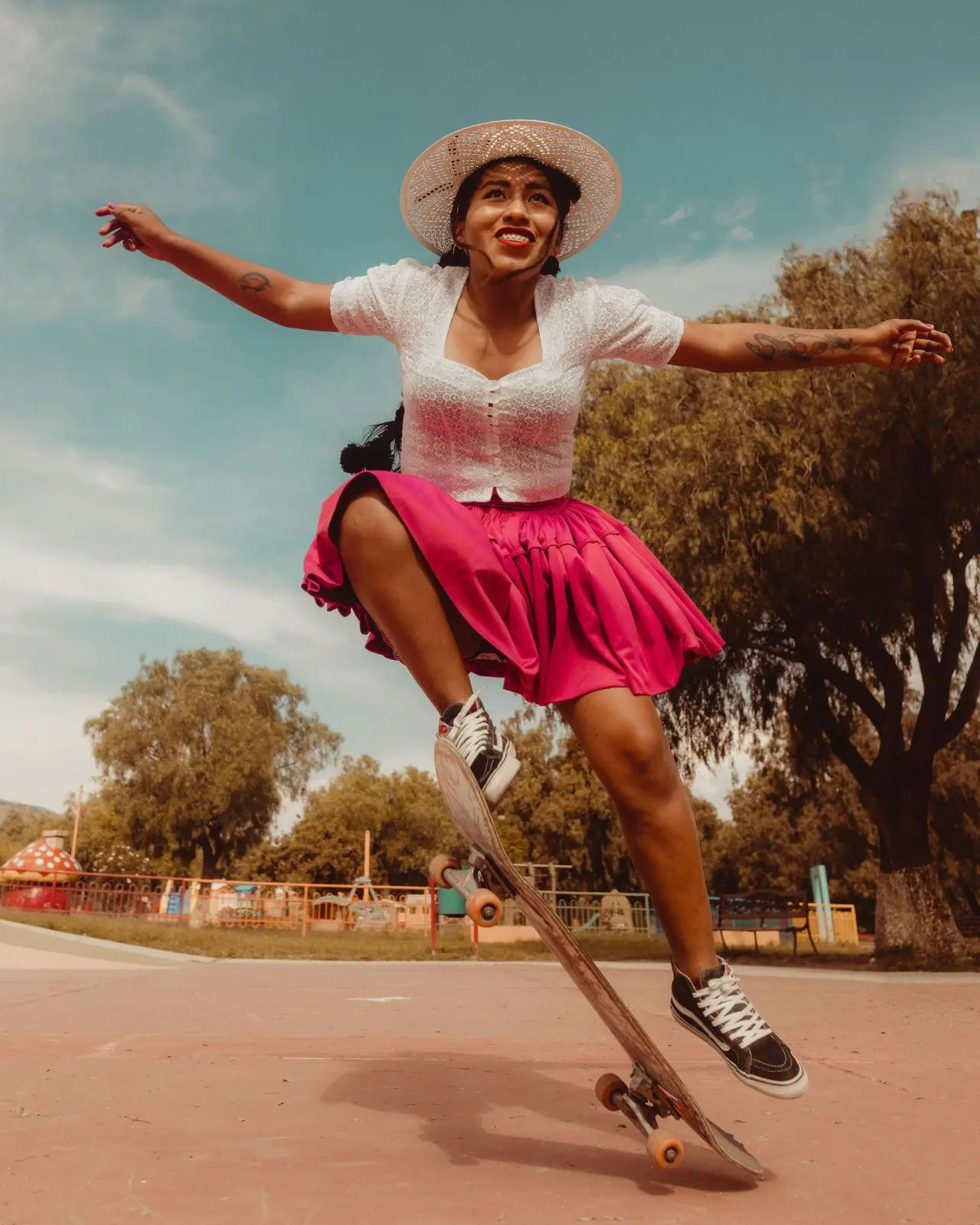
When it comes to love, courtship in Bolivia is generally more formal and relationship-oriented than the casual dating culture prevalent in the West. For many single women, dating is viewed as a direct pathway to marriage . They generally seek partners who exhibit respeto (respect), loyalty, and stability. Unlike the fast-paced swiping culture of the U.S., Bolivian dating often involves a slow, deliberate integration into family life—including sharing meals, attending Sunday gatherings, and getting to know the extended clan.
Fascinatingly, some rural highland communities still practice a ritual known as "stealing a bride" (or warmi mañaku among the Quechua), though it has evolved significantly . Historically, this involved a young man proving his resourcefulness by "taking" his future wife, followed by negotiations with families. While this specific practice is rare in urban dating, the underlying value persists: men are expected to prove their capability to start a new household. For a single woman today, this translates to looking for a man who is industrious, employed, and capable of navigating the modern financial world.
Challenges in the local dating market: Many young Bolivian women report that local men can be overly traditional or "machista" (macho), expecting women to handle domestic duties while also contributing financially. Furthermore, the lack of economic mobility for young men in Bolivia means that many potential suitors cannot afford to marry or start a family, leaving women in a state of limbo .
Why the United States?
The desire to move to the USA is not merely a trend; for many single young Bolivian women, it is a calculated strategy for survival and self-actualization. The reasons are a complex mix of push and pull factors.
1. Economic Opportunity and Professional Fulfillment: The most cited reason is the economic ceiling in Bolivia. One immigrant, Gio B., noted that despite the beauty of her country, "it was not a good place for us to live" due to a difficult economy . In the U.S., a single woman can achieve financial independence that is nearly impossible to attain at home. The ability to send remittances back to parents in Bolivia is also a powerful motivator, allowing a young woman to fulfill her cultural duty of caring for her family in a tangible way.
2. Escaping Stagnation and "Theft of Dreams": There is a deep frustration regarding the lack of professional growth. As one immigrant, Julie, explained, even professionals struggle to find work in big companies without powerful connections . The U.S. represents meritocracy. For single women, the American Dream is less about luxury and more about the freedom to work hard and see a direct return on that effort.
3. Safety and Political Stability: Bolivia has a turbulent political history. Corruption is often cited as a reason families decide to leave. The story of Rafaella Navarro illustrates this clearly; her grandfather left due to political corruption and the feeling that their "lives were at stake" . For a single woman, the relative safety of U.S. suburbs versus the potential volatility of urban Bolivia is a significant pull factor.
4. Redefining Gender Roles: In the U.S., Bolivian women often find a society where single motherhood is not a death sentence for a career, and where women can delay marriage to pursue education. The ability to say "no" to traditional roles without facing community ostracism is liberating. They find that in the U.S., they can be both independent and a good daughter, a balance that is harder to strike in Bolivia's more rigid social structure.
The journey, however, is rarely easy. It involves learning English, navigating grueling immigration processes, and enduring the nortear (the heartache of missing home). Yet, for the single Bolivian woman willing to take the risk, the United States offers something invaluable: the chance to write her own story, rather than having it written by tradition or economic necessity.
Meet single Bolivian women for marriage here :
Meet single Bolivian women for marriage. Join free.
Bryn jacobs Chief Editor

You may also be interested in : Mature Bolivian women for marriage