Русский язык
 Deutsch
 Italiano
 Français
 Español
 Português
 Türkçe




Meet Bolivian Single Women Over 50 Here
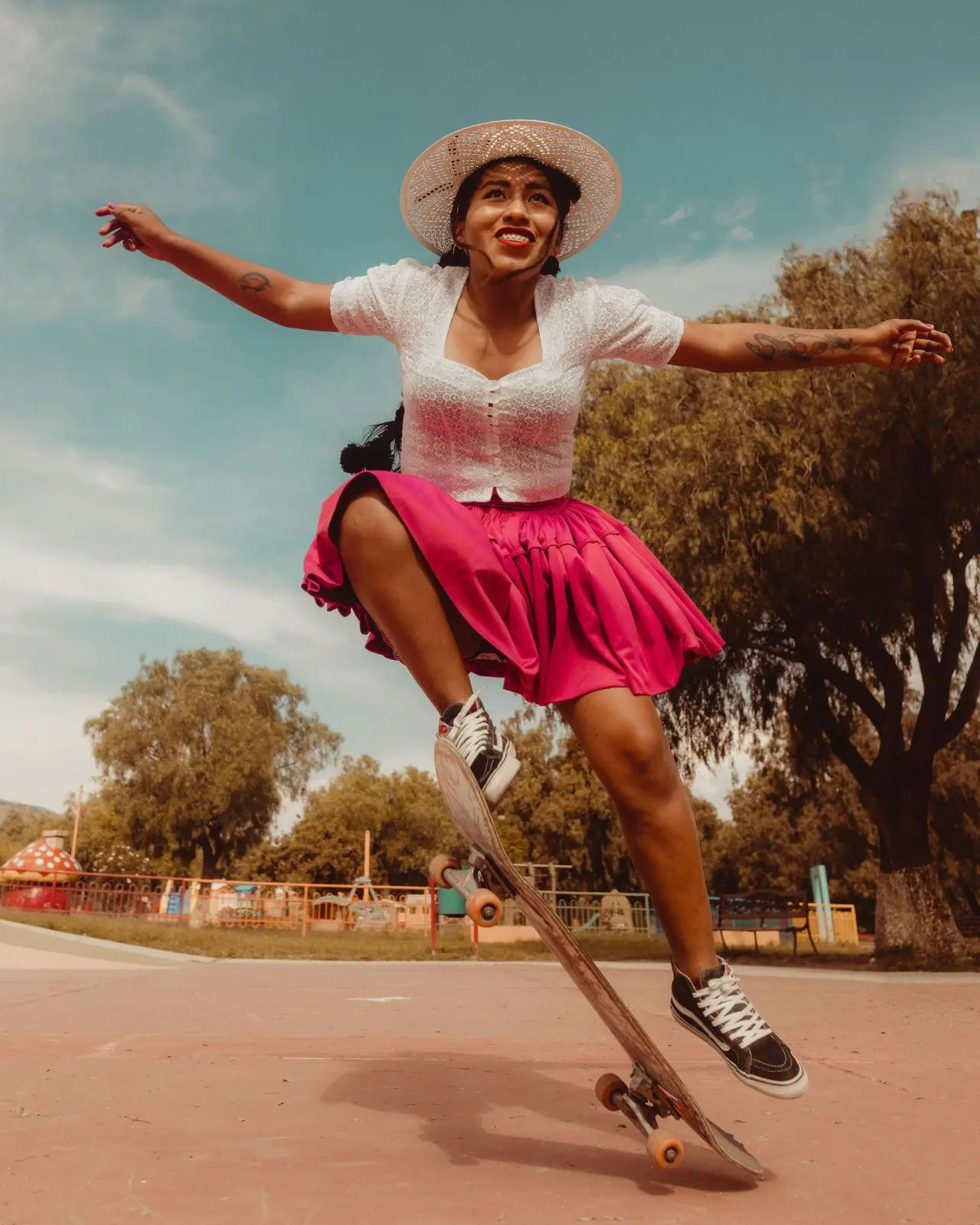
The Keepers of the Andes: Life, Tradition, and Beliefs of Mature Bolivian Women
In the high-altitude plains of the Altiplano and the bustling markets of La Paz and Cochabamba, mature Bolivian women—often called señoras or mamitas—are the unacknowledged pillars of a nation. Their lives are a tapestry woven from ancient Andean cosmology, Spanish colonial Catholicism, and the relentless pragmatism required to survive in one of South America’s most economically challenging yet culturally rich nations.
Lives Forged in Resilience
The daily life of a mature Bolivian woman is defined by labor that is both physical and emotional. By her 40s or 50s, she has likely never retired; rather, she has transitioned from raising children to managing a household that often includes grandchildren. A typical day might begin at 4:00 AM, preparing api (a purple corn drink) for street vending before navigating the labyrinthine mercado to sell produce, textiles, or herbs. Unlike the Western trajectory of leisure in middle age, the mature Bolivian woman finds status not in rest, but in her ability to produce, provide, and preside over her family’s daily economy.
Her identity is communal, not individual. The concept of ayni (reciprocal labor) persists: if she helps a neighbor harvest potatoes or watch a stall, that debt is sacred. To be a mature woman is to be a node in a vast network of mutual survival. She is the family’s accountant, healer, and moral arbiter, often making decisions that her husband merely ratifies.
Traditions Anchored in the Earth
Tradition here is not a nostalgic pastime; it is a living discipline. The most visible sign is her clothing: the bowler hat perched precisely on a head of long, dark plaits, the pollera (a layered, pleated skirt) that announces her indigenous heritage, and the aguayo (a woven cloth) on her back, which carries everything from a baby to 50 pounds of rice. For a mature woman, donning this attire is an act of defiance and pride, a statement that modernity has not erased the Aymara or Quechua soul.
Rituals govern her calendar. During the Ch’alla (August offering to Pachamama, or Mother Earth), she will burn incense, sprinkle alcohol, and bury a llama fetus on her doorstep—not out of superstition, but out of a transactional respect for nature’s power. The Feast of the Virgin of Copacabana blends seamlessly with a pre-Columbian harvest festival. Death is not an end but a continuum; on Día de los Difuntos (Day of the Dead), she visits the cemetery not with mournful tears but with bread shaped like babies (tantawawas) and fresh cane juice, feeding her ancestors as if they merely moved to another room.
Beliefs of Duality and Duty. Older Bolivian ladies.

Her worldview is marked by yanantin—the principle of complimentary opposites. Life and death, male and female, mountain and valley are not in conflict but in balance. A mature Bolivian woman believes that health is a matter of equilibrium; if you suffer from susto (fright sickness), a medical doctor is less useful than a yatiri (a healer) who can call your soul back to your body.
Family loyalty is a religious axiom. Divorce, though legal, is socially devastating for her generation. She believes a woman’s honor is measured by her children’s success and her husband’s respect. Fidelity is not negotiable; it is the steel frame of home. Likewise, her Catholicism is syncretic—she may light a candle to Santa Barbara to calm a thunderstorm, but she will first ask permission from the spirit of the mountain. To the outside world, this appears as superstition; to her, it is a sophisticated ecosystem of moral and natural law.
Why US Men Seek Mature Bolivian Women for Marriage
In recent decades, a specific niche of American men—typically over 40, divorced, or disillusioned with domestic dating—has turned their gaze toward Bolivia. The attraction to mature Bolivian women (those 40 and older) is distinct from the global “mail-order bride” stereotype, which often fixates on youth. The pull here is not just exoticism, but a strategic, often cynical, complementarity of values.
1. The Gravitas of Traditional Gender Roles
The most powerful allure is the promise of a hierarchical, low-conflict household. US men tired of the egalitarian negotiation of modern Western marriage find in mature Bolivian women a partner who expects male leadership. This is not submission born of weakness, but duty born of tradition. She will manage the home, cook, clean, and raise children without demanding emotional labor or 50/50 chore splits. For a man who feels “unmothered” or emasculated by American feminism, the señora offers a nostalgic archetype: the self-sacrificing matriarch who expresses love through service.
2. Divergent Biological and Social Timelines
By age 45, a typical American woman is often childless by choice or focused on career and travel. The mature Bolivian woman of the same age is likely already a grandmother, deeply invested in the “abuela” role. She does not seek a partner for career networking or adventure travel; she seeks stability. Consequently, US men report that these women are grateful for small kindnesses—a paid electric bill, a first hot shower with stable water pressure—which translates into what men perceive as “unconditional appreciation.” There is less bargaining over lifestyle; the simple offer of economic security is a potent aphrodisiac.
3. Emotional Pragmatism Over Romantic Drama
Mature Bolivian women for dating are famously unsentimental about early-stage romance. They do not expect candlelit dinners or verbal affirmations of love. Their belief system prioritizes action: Can he fix the leak? Does he provide medicine for my arthritis? Will he respect my adult children? For an American man who has endured volatile dating cycles or divorce court, this transactional honesty feels like a sanctuary. The relationship’s foundation is mutual utility—his resources for her competence and loyalty—which, while unromantic to some, is deeply calming to others.
4. The Appeal of an Unspoiled “Work Ethic”
There is a pervasive, if problematic, belief among these men that Bolivian women are “real” women—untainted by consumerism, social media vanity, or entitlement. The mature Bolivian woman’s willingness to perform grueling physical labor (carrying firewood, weaving, walking miles to market) is fetishized as a mark of superior character. In essence, US men are not just marrying a woman; they are marrying a pre-industrial survival skill set. They see her resilience as insurance against the soft decadence of the West.
The Unspoken Caveat
What these men often discover—sometimes too late—is that the mature Bolivian woman’s loyalty is not to him but to her broader clan. He may expect a devoted wife; she expects a patron for her adult children’s education or her mother’s medical bills. Her quiet nature is not passivity but patience. And when his American need for emotional intimacy clashes with her Andean stoicism, the cultural chasm reappears. Nevertheless, for those seeking a partner anchored in earth, tradition, and an unbreakable sense of duty, the mature Bolivian woman remains an object of deep, if complicated, attraction.
Meet Mature Bolivian brides here :


Meet Mature Bolivian women for marriage. Join Free.
Bryn jacobs Chief Editor