Русский язык
 Deutsch
 Italiano
 Français
 Español
 Português
 Türkçe




The K-1 Fiancée Visa: Your Path to Marrying
a Latina Woman in the USA

Introduction: Bringing Your Latina Fiancée to America
You've found the woman you want to spend your life with. She's from Latin America, you're an American citizen, and you're ready to build a future together in the United States. The question now is: what's the best way to bring her here legally?
The K-1 fiancée visa is often the first option American men consider when planning to marry a woman from abroad. It allows your foreign fiancée to travel to the United States specifically to marry you within 90 days of her arrival. Once married, she can apply for a green card and begin her life as a permanent resident.
But is the K-1 visa truly the "best" way? What does the process actually involve? And what should you know before committing to this path? This guide covers everything American men need to understand about bringing a Latina fiancée to the U.S. through the K-1 visa process.

What Is the K-1 Fiancée Visa?
The K-1 visa is a nonimmigrant visa designed for the foreign-citizen fiancé(e) of a U.S. citizen. Its sole purpose is to allow your fiancée to enter the United States, marry you within 90 days, and then adjust her status to become a lawful permanent resident .
The visa also allows your fiancée's unmarried children under 21 to accompany her through the K-2 derivative visa classification .
This is an important distinction: the K-1 is specifically for engaged couples. If you're already married, you would need a different visa (the CR-1 spousal visa) to bring your wife to America .
Why the K-1 Visa Appeals to American Men
For American men seeking to marry a Latina woman, the K-1 visa offers several compelling advantages:
Faster Initial Reunion: The K-1 visa typically processes faster than the CR-1 spousal visa. Current processing times for Form I-129F average around 8 to 11 months, compared to 12 to 14 months or more for the CR-1 . If your priority is getting your fiancée to the U.S. as quickly as possible, the K-1 often wins.
Wedding in America: Many couples dream of marrying in the United States. The K-1 visa is your only legal option if you want your wedding ceremony to take place on American soil. The CR-1 requires you to be legally married before applying, meaning your wedding would need to occur abroad .
A "Trial Period" Before Marriage: The K-1 visa grants you and your fiancée 90 days together in the U.S. before the wedding. This time can serve as a real-world test of compatibility—something you cannot fully assess through long-distance dating or short visits . You'll navigate daily life together, meet each other's friends and family in person, and confirm that the connection is as strong as you believed.
Proving a Genuine Relationship: The K-1 process requires substantial evidence of a bona fide relationship. Meeting in person within the past two years is mandatory (with limited exceptions), and you must demonstrate genuine intent to marry . While this documentation burden can feel heavy, it also serves as a safeguard—helping to distinguish your genuine relationship from fraudulent ones.

The K-1 Visa Process: Step by Step
Understanding the full process helps you prepare mentally, financially, and practically.
Step 1: File Form I-129F
As the U.S. citizen, you begin by filing Form I-129F, Petition for Alien Fiancé(e), with USCIS. The filing fee is $675, though you receive a $50 discount if you file online .
You must include evidence of your U.S. citizenship, proof that any previous marriages were legally terminated, passport-style photographs of both of you, and evidence that you've met in person within the past two years .
Step 2: USCIS Adjudication
USCIS reviews your petition. Current processing times average 8 to 11 months, though some cases take longer . If approved, your petition is sent to the National Visa Center (NVC) .
Step 3: Consular Processing
The NVC forwards your approved petition to the U.S. embassy or consulate in your fiancée's country. She then completes the DS-160 visa application, pays the $265 visa fee, undergoes a medical examination with an approved physician (approximately $200), and schedules her interview .
At the interview, a consular officer will ask questions about your relationship to verify its authenticity. Your fiancée will need to provide documents including her passport, birth certificate, police certificates from countries where she's lived, and evidence of your relationship .
Step 4: Entering the United States
Once the K-1 visa is issued, your fiancée has six months to travel to the United States . Upon arrival, she must marry you within 90 days .
Step 5: Adjustment of Status
After the wedding, your new wife files Form I-485 to adjust her status to permanent resident. This step includes an additional government fee of approximately $1,440 . Once approved, she receives her conditional green card. If you've been married less than two years when the green card is approved, she receives a two-year conditional card and must later apply to remove conditions .

The Real Costs: What to Budget
The K-1 visa path involves multiple fees that add up quickly. Government fees total approximately $940 for the visa stage alone (I-129F filing plus DS-160 fee), but the full picture includes :
| Expense | Estimated Cost |
|---|---|
| Form I-129F filing fee | $675 |
| DS-160 visa application fee | $265 |
| Medical exam | $200–$400 |
| Document translations, travel, photos | $500–$1,500 |
| Adjustment of status (after marriage) | $1,440 |
| Total government fees | ~$2,380 |
| Realistic total with extras | $3,000–$5,000+ |
The K-1 route is often more expensive overall than the CR-1 spousal visa, primarily because of the additional adjustment of status stage after marriage . If cost is a major factor, comparing both paths carefully is wise.
Potential Challenges to Prepare For
Work Authorization Gap: K-1 visa holders cannot work immediately upon arrival. Your wife must apply for an Employment Authorization Document (EAD) after filing for adjustment of status. This can create a financial gap of several months where she cannot contribute income .
The 90-Day Deadline: The 90-day window to marry is strict. If you don't marry in time, your fiancée must leave the country or face deportation. This pressure can add stress to an already significant life transition .
Relationship Scrutiny: USCIS carefully examines K-1 petitions for fraud indicators. You must provide compelling evidence that your relationship is genuine—photographs together, communication records, travel documentation, and consistent answers during interviews .
Criminal History Disclosure: If you have any criminal convictions—including misdemeanors—you must disclose them on Form I-129F. Failure to do so can result in denial, even if the offense itself wouldn't have disqualified you . IMBRA (International Marriage Broker Regulation Act) requirements specifically mandate disclosure of certain crimes, particularly those involving violence.

Is the K-1 the "Best" Way? Considering Alternatives
The K-1 visa is not the only path—it's simply the most direct option for engaged couples. The CR-1 spousal visa offers distinct advantages for couples willing to marry abroad first .
Choose K-1 if:
-
You want your wedding to take place in the United States
-
You want to be reunited as quickly as possible
-
You value the "trial period" of living together before the wedding
-
The higher total cost is manageable
Consider CR-1 if:
-
You're willing to marry in her country or a third location
-
You want your spouse to receive a green card immediately upon arrival
-
Immediate work authorization is important
-
You prefer lower overall costs
-
You want the freedom to travel internationally without restriction
Many couples ultimately find the CR-1 more practical for long-term planning, but the K-1 remains the right choice for those who prioritize a U.S. wedding and faster initial reunion.
Tips for a Successful K-1 Journey
Document Everything: From the moment you decide to pursue the K-1, start saving evidence of your relationship. Boarding passes from visits, photographs together, chat logs, call records—all of this strengthens your petition.
Meet in Person: The in-person meeting requirement is not optional. If you haven't met your fiancée face-to-face, you cannot file. The limited waiver exceptions are narrow and difficult to obtain .
Be Honest About Criminal History: Disclose everything. An undisclosed misdemeanor can derail your petition more than the offense itself would have .
Plan Finances Carefully: Budget not just for filing fees but for the adjustment of status and the months when your wife cannot work. Having savings in place reduces stress during the transition.
Prepare for the Interview: Consular officers are trained to detect fraud. Practice discussing your relationship naturally, but never fabricate or rehearse fake answers. Genuine couples who know each other well have nothing to worry about.
Work with an Immigration Attorney if Needed: If your case involves complications—previous petitions, criminal history, immigration violations—professional guidance can prevent costly mistakes.
Frequently Asked Questions
Q: How long does the K-1 visa process take from start to finish?
Current processing times for Form I-129F average 8 to 11 months, followed by consular processing that may add 3 to 5 months. Total timeline from filing to your fiancée's arrival is typically 11 to 15 months .
Q: Can my fiancée work while on a K-1 visa?
Not immediately. K-1 holders must file for adjustment of status after marriage and apply for a work permit. This process can take several months after arrival, creating a gap before she can legally work .
Q: What happens if we don't marry within 90 days?
Your fiancée's K-1 status expires, and she must leave the United States or face deportation. The 90-day limit cannot be extended .
Q: Can my fiancée bring her children?
Yes, unmarried children under 21 can accompany her through the K-2 visa classification. They must be listed on the I-129F petition .
Q: What if I've been married before?
You must provide evidence that all previous marriages were legally terminated—final divorce decrees, annulment orders, or death certificates. This applies to both you and your fiancée .
Q: Do I need to meet my fiancée in person before filing?
Yes, with extremely limited exceptions. USCIS requires evidence of an in-person meeting within the two years before filing the petition. Waivers exist for extreme hardship or cultural practices that prohibit pre-marital meetings, but these are rarely granted .
Q: How much does the entire K-1 process cost?
Government fees total approximately $2,380 ($675 I-129F + $265 DS-160 + $1,440 adjustment of status). Including medical exams, translations, and travel, most couples spend $3,000 to $5,000 or more .
Q: Is the K-1 visa better than marrying abroad and filing for a CR-1?
It depends on your priorities. K-1 offers faster reunion and a U.S. wedding. CR-1 offers immediate work authorization, permanent residency upon arrival, and lower overall costs. Neither is objectively "better"—the right choice depends on your circumstances .
Conclusion
The K-1 fiancée visa remains the most direct path for American men who want to marry their Latina fiancée in the United States. It offers speed, the romance of an American wedding, and a genuine opportunity to build your life together on U.S. soil.
But it's not a simple process. The documentation requirements are substantial, the costs add up, and the 90-day deadline creates real pressure. Understanding these realities before you begin helps you prepare—financially, emotionally, and practically.
If your relationship is genuine and your paperwork is solid, the K-1 visa can bring your Latina fiancée to America and set the foundation for your marriage. Take the process seriously, document your love story thoroughly, and prepare for the journey ahead. The woman you love is waiting on the other side of the paperwork.
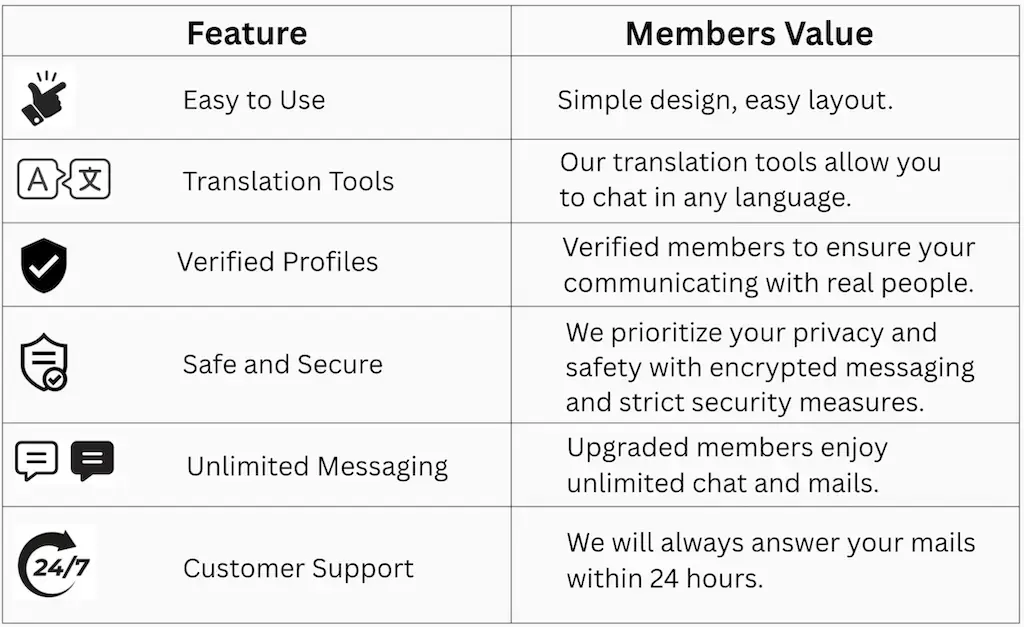
Just a few of the features our members enjoy:
Bryn jacobs Chief Editor