Русский язык
 Deutsch
 Italiano
 Français
 Español
 Português
 Türkçe




Marrying a Latina Woman: Love, Green Cards, and the Realities of Cross-Cultural Marriage

Introduction: Beyond the Stereotypes
The question of marrying a Latina woman carries with it a weight of cultural assumptions, romantic fantasies, and sometimes, cynical suspicions. For every man who genuinely falls in love with a woman from Mexico, Colombia, Brazil, or Argentina, there exists a stereotype—the fiery Latina, the traditional wife, or the opportunistic green card seeker. These generalizations obscure the reality: Latina women, like women everywhere, are individuals with their own motivations, dreams, and capacity for love.
This article examines the realities of marrying a Latina woman, including what the data actually says about marriage success rates, the legitimate concerns about immigration fraud, and the practical steps that can help any cross-cultural marriage succeed. Whether you're considering marriage to a woman from Latin America or simply curious about the dynamics at play, understanding the facts beyond the stereotypes is essential.
The Question of Success Rates: What the Data Actually Shows
When people ask whether marriages to Latina women "actually work," they're usually asking about statistics. The honest answer is complicated because the data on interethnic marriages reveals patterns that require careful interpretation.
Research on marital stability has found that endogamous marriages—those between partners of the same ethnic background—tend to be more stable than interethnic marriages. One study found that 72% of endogamous Latino marriages remain intact at 15 years, compared to only 64% of marriages between a white husband and a Latina wife. The same research found that marriages between a Latino husband and a white wife were even less stable, with only 58% remaining intact at 15 years.
These statistics, however, require context. The elevated divorce rates in interethnic marriages don't necessarily mean that marrying a Latina woman is inherently riskier. Rather, they reflect the additional challenges that any cross-cultural marriage faces: navigating different expectations, family dynamics, communication styles, and sometimes, societal pressures. The research suggests that while intermarriage indicates more porous group boundaries, those boundaries "remain resilient" in ways that can strain relationships.
It's also worth noting that these statistics largely predate the current dating landscape and don't account for the quality of individual relationships. A marriage between two people who share values, communication styles, and genuine commitment can succeed regardless of ethnic background. The statistics describe patterns, not destinies.

The Green Card Question: Separating Fact from Fiction
The suspicion that a Latina woman might be seeking a green card through marriage is one of the most persistent anxieties among men considering these relationships. This concern is not entirely unfounded—marriage fraud is a real phenomenon that U.S. immigration authorities take seriously.
Under U.S. federal law, marriage fraud occurs when someone enters a marriage for the primary purpose of obtaining immigration benefits rather than forming a genuine relationship. The consequences are severe: up to five years in federal prison and fines of up to $250,000 for both parties if fraud is proven. Additionally, the foreign national faces deportation and a permanent bar from re-entering the United States.
U.S. Citizenship and Immigration Services (USCIS) has developed sophisticated methods for detecting fraudulent marriages. These include joint interviews, extensive background checks, and sometimes unannounced home visits to verify that couples actually live together and share a life. Red flags include living at separate addresses, lacking shared finances, inconsistent answers during interviews, and marrying suspiciously soon after a visa denial or deportation notice.
However, it's important to recognize that the vast majority of marriage-based green card applications are legitimate. The existence of fraud does not mean that every Latina woman seeking marriage is motivated by immigration status. The stereotype that Latina women are "just seeking a green card" is not only inaccurate but also insulting to the many women who genuinely fall in love with partners from other countries.
The reality is that immigration status is often a factor in any international relationship—but it's rarely the only factor. A woman who wants to build a life with an American partner naturally wants the legal ability to do so. The question isn't whether immigration is a consideration, but whether the relationship itself is genuine and whether both partners are entering it with honest intentions.

The Cultural Dynamics That Shape These Marriages
Understanding the cultural background that many Latina women bring to marriage can help illuminate both the strengths and challenges of these relationships.
Family-Centered Values
Latin American culture generally places immense importance on family. The phrase "if you marry a Latina, you're also marrying her family" captures a real dynamic. Latin families tend to be close-knit, with extended family members playing active roles in each other's lives. This can be a tremendous source of support and warmth—or a source of friction if a husband expects a more individualistic, Western-style family dynamic.
Research supports the observation that immigrant Latinos tend to hold more traditional views on marriage and family than their U.S.-born counterparts. One survey found that 43% of Spanish-dominant Latinos believe the husband should have the final say in family decisions, compared to 27% of English-dominant Latinos. However, these attitudes tend to shift across generations as immigrants assimilate to American norms.
Gender Role Expectations
Some men are drawn to Latina women precisely because of perceived traditional gender roles. A Canadian man interviewed in one viral video explained his preference for Latina women by saying that "traditional masculine and feminine roles are more prevalent in Latin America". This perspective has been sharply criticized by Latina commentators who argue that seeking a partner based on expectations of submission reflects a desire for "power, control, and structural inequality" rather than genuine partnership.
The reality is that Latin American women, like women everywhere, vary enormously in their expectations and preferences. While cultural background may influence attitudes toward gender roles, individual personality, education, and life experience matter far more than nationality. Assuming that a Latina woman will be traditionally submissive because of her background is both inaccurate and potentially harmful to the relationship.
Communication and Conflict Styles
Cultural differences in communication can create both richness and friction in a marriage. Many Latin American cultures value emotional expressiveness and direct communication about feelings, which can create a warm and passionate relationship dynamic. However, differences in conflict resolution styles, expectations about time, and approaches to problem-solving can also lead to misunderstandings.
One study of Spanish women's attitudes toward marriages between Spanish men and foreign women found that love was rarely cited by men as a reason for such unions, while women more consistently mentioned it. This finding suggests a gendered dynamic in how these relationships are perceived and perhaps experienced—a dynamic worth examining honestly if you're considering such a marriage.
Practical Tips for Making the Marriage Work
If you're serious about marrying a Latina woman and building a lasting relationship, certain practical steps can significantly improve your chances of success.
1. Examine Your Motivations Honestly
Before anything else, ask yourself why you want to marry this particular woman. Is it because you genuinely love her and want to build a life together? Or are you drawn to a fantasy of what a "Latina wife" represents? If you're seeking someone who will be submissive, exotic, or endlessly nurturing based on her cultural background, you're setting yourself up for disappointment. Latina women are individuals, not archetypes.
2. Address the Immigration Question Directly
If you're an American citizen and your partner is not, you need to have honest conversations about immigration status and its role in your relationship. This doesn't mean interrogating her motives, but it does mean being transparent about your own concerns and giving her space to share her perspective. If she's currently in the U.S. on a visa, discuss the legal implications of your decisions—such as whether marrying and adjusting status is appropriate given her visa type, or whether consular processing would be more appropriate.
3. Learn About Her Culture
This goes far beyond learning a few words of Spanish or enjoying tacos on Tuesdays. It means understanding the history, traditions, and values that shaped her. It means being willing to participate in her cultural practices and perhaps integrate some of them into your shared life. It means accepting that her family may be more involved in your marriage than you're accustomed to, and deciding whether you can embrace that rather than merely tolerate it.
4. Discuss the Hard Questions Before Marriage
Before you marry, have explicit conversations about the issues that most commonly cause conflict in cross-cultural marriages:
-
Where will you live? Will you stay in the United States, move to her country, or consider a third option? Each choice involves significant trade-offs.
-
Do you want children? And if so, how will you raise them? What language will they speak? What religion, if any, will they practice? How will you blend parenting approaches from different cultural traditions?
-
How will you handle finances? Will you have joint or separate accounts? How will you handle financial obligations to her family if that's expected?
-
What role will in-laws play? How close will you live to her family? How often will you visit? How will you handle disagreements with her family members?
5. Build a Life Together, Not a Fantasy
The relationships that succeed are those where both partners are committed to building a shared life based on mutual respect, not preconceived notions about what marriage "should" look like. This means negotiating expectations, compromising on traditions, and creating your own hybrid culture that honors both backgrounds.
6. Take the Immigration Process Seriously
If you're pursuing a marriage-based green card, work with an experienced immigration attorney. Document your relationship thoroughly—joint bank accounts, shared leases, photographs together, evidence of communication. Prepare carefully for interviews. The process is rigorous, but that rigor is designed to protect legitimate couples as much as it is to catch fraudulent ones. Attempting to navigate it carelessly can create suspicion where none should exist.
Frequently Asked Questions
Q: Are marriages between American men and Latina women more likely to end in divorce?
Research suggests that interethnic marriages, including those between white Americans and Latinos, do have somewhat higher divorce rates than same-ethnicity marriages. One study found that 64% of white husband/Latina wife marriages remain intact at 15 years, compared to 72% of endogamous Latino marriages. However, these statistics don't determine individual outcomes. Many cross-cultural marriages thrive because both partners are committed to understanding and respecting each other's differences.
Q: How can I tell if a Latina woman is genuinely interested in me or just wants a green card?
There's no foolproof test, but there are warning signs of fraud that immigration authorities look for: reluctance to integrate you into her family life, inconsistencies in her personal history, lack of shared financial arrangements, and pressure to marry very quickly, especially after a visa denial. The best approach is to take the relationship slowly, involve your families, and trust your instincts. Genuine love manifests in consistent behavior over time, not in grand gestures or rush to the altar.
Q: What are the legal consequences of marriage fraud?
Marriage fraud is a federal crime under 8 U.S.C. § 1325(c). Both the U.S. citizen and the foreign national can face up to five years in prison and fines up to $250,000. The foreign national faces deportation and a permanent bar from the United States, with no possibility of a waiver for marriage fraud. These consequences apply even if the fraud is discovered years after the marriage.
Q: What are the biggest cultural challenges in marrying a Latina woman?
Common challenges include differences in family involvement expectations, gender role assumptions, communication styles, and approaches to conflict resolution. Many Latin American cultures are more family-centered than typical American culture, meaning in-laws may play a larger role in your married life than you might expect. Traditional gender role attitudes are also more common among immigrant Latinos than among U.S.-born populations, though these attitudes tend to shift with time and acculturation.
Q: How can I prepare for the immigration interview?
Document your relationship comprehensively. Bring evidence of shared finances, shared residence, photographs throughout your relationship, communication records, and affidavits from family and friends who can attest to your relationship's authenticity. Prepare for detailed questions about your daily life together—how you met, how you spend your time, your routines, your future plans. Answer honestly and consistently. If you're nervous, that's normal, but remember that the burden is on you to prove your marriage is genuine.
Q: Should I consider a prenuptial agreement?
This is a personal decision that depends on your individual circumstances. Some couples choose prenuptial agreements to protect assets, while others find them unnecessary or even a sign of distrust. What matters is that you and your partner have honest conversations about finances, expectations, and legal protections before marriage, ideally with guidance from an attorney familiar with both family law and immigration law.
Conclusion
Marrying a Latina woman is neither a guaranteed path to marital bliss nor a guaranteed path to fraud and heartbreak. Like any marriage, the outcome depends on the individuals involved—their honesty, their commitment, their willingness to grow together, and their capacity for love and compromise.
The statistics on interethnic marriage suggest that these relationships face additional challenges. Cultural differences can create friction. Family dynamics can complicate things. Immigration concerns can introduce stress and suspicion. But these challenges are not insurmountable. Many cross-cultural marriages succeed brilliantly because both partners approach the relationship with respect, curiosity, and genuine commitment.
What matters most is not where your partner was born, but who she is as a person and who you are as a couple. If you're considering marriage to a Latina woman, examine your own heart honestly. Learn about her culture. Have the hard conversations. Take the immigration process seriously. And most importantly, build your relationship on mutual respect rather than stereotypes or fantasies.
The answer to "do these marriages work?" is the same as for any marriage: some do, some don't, and the difference lies in the people involved.
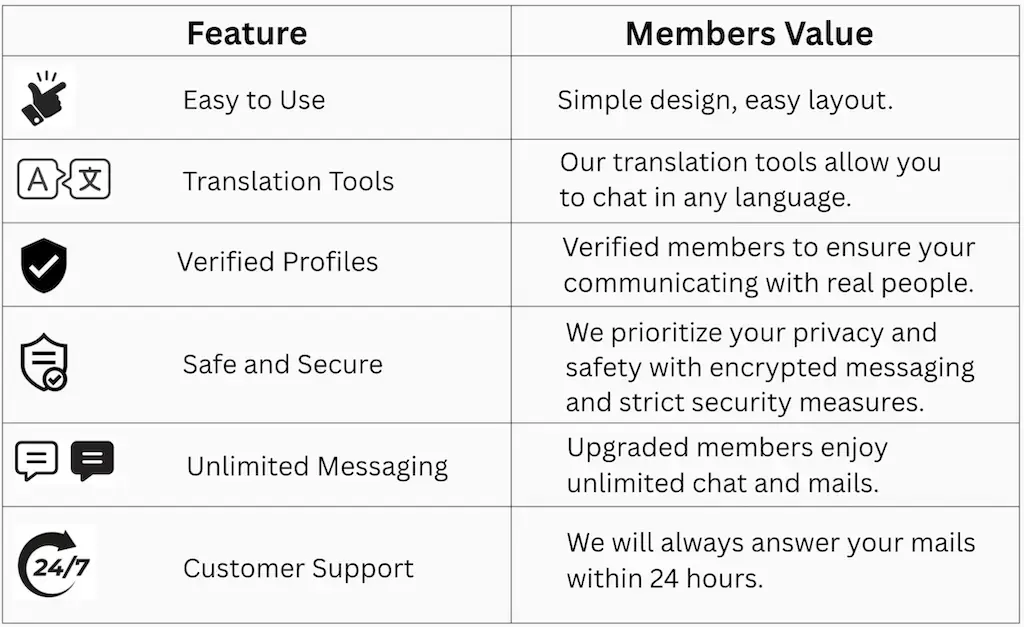
Just some of the featrures our members enjoy:
Bryn jacobs Chief Editor