Meet Divorced Mexican women here

The Resilient Heart: Why Divorced Mexican Women
Are Valued as Partners by American Men
Divorce is never easy, but for Mexican women, ending a marriage often carries an extra layer of cultural weight. In a society traditionally shaped by machismo and deep Catholic roots, a divorced woman has frequently been viewed with a mix of pity and suspicion. However, the reality of these women’s lives tells a different story—one of resilience, emotional intelligence, and an unshakable commitment to family. It is precisely these qualities that have made divorced Mexican women for marriage increasingly sought after by American men seeking serious, lasting relationships.
The Lives of Divorced Mexican Women: Challenges and Strength
To understand why these women attract American partners, one must first understand the world they come from. In Mexico, marriage has historically been seen as a lifelong institution. A divorced woman often faces social stigmatization, especially in smaller towns and conservative communities. She may be labeled “una mujer dejada” (a woman who was left) or gossiped about as being difficult. This pressure means that deciding to divorce is rarely taken lightly; it usually comes after years of enduring infidelity, emotional neglect, or financial control.
Once divorced, these women often become the primary pillars of their households. The Mexican family structure remains matriarchal in daily practice—grandmothers, mothers, and aunts hold the family together. A divorced Mexican woman frequently raises her children alone, supports her aging parents, and maintains close ties with siblings and cousins. She learns to stretch a meager peso, navigate legal systems without much help, and rebuild her identity outside of being “someone’s wife.”
This crucible forges a woman who is practical, resourceful, and deeply loyal—not out of naivety, but out of a hard-won understanding of what matters. She has learned that family is not just about blood relations but about those who show up. And once you are brought into her inner circle, you are treated with fierce protection and care.
The Attraction for American Men: More Than Stereotypes

American men who seek divorced Mexican women for marriage often cite several compelling reasons. First is maturity. Unlike younger women or those without marriage experience, a divorced Mexican woman has already navigated the complexities of sharing a home, managing finances, and resolving conflict. She is not looking for a fairy tale; she wants a functional partnership.
Second is cultural warmth. Mexican Catholic brides culture places a premium on affection, verbal and physical. A divorced Mexican woman tends to express love openly—through cooking, touch, laughter, and constant communication. For American men who may have experienced colder or more transactional relationships, this warmth is profoundly healing.
Third is traditional values with modern realism. While many American women have moved away from traditional homemaking roles, divorced Mexican women often find a happy medium. They may work outside the home—many do—but they also take pride in cooking from scratch, maintaining a clean home, and prioritizing family dinners. At the same time, having survived a bad marriage, they have no interest in being a doormat. They demand respect and reciprocate it.
Are They Loyal? The Honest Answer
Loyalty among divorced Mexican women is not blind; it is earned and fiercely guarded. In Mexican culture, loyalty is considered a sacred virtue. A woman who has been betrayed in her first marriage becomes hyper-aware of trust. She will not stay with a man simply for financial security or fear of being alone. However, once she commits again, she tends to be all-in.
This loyalty manifests in daily acts: defending her partner in front of her family, standing by him during illness or economic hardship, and refusing to engage in flirting or emotional affairs. Many American men report that their Mexican wives are intensely devoted compared to previous partners. However, there is a catch: she expects the same loyalty in return. If she senses dishonesty or disrespect, she will walk away—politely but firmly. This is not disloyalty; it is self-respect.
Do They Make a Good Wife After Life Experiences?

By nearly all measures, yes—but with important caveats. A divorced Mexican woman often makes an exceptional wife for the right man. Her life experiences have stripped away immaturity. She no longer plays games. She knows what she wants: stability, affection, partnership, and a peaceful home. She is unlikely to leave over small disagreements because she has already survived bigger storms.
She also brings exceptional emotional intelligence. Having navigated divorce, she understands grief, anger, forgiveness, and the need for honest communication. She can apologize when wrong and expects the same. Many American men find this refreshing compared to relationships where pride and ego block resolution.
That said, cultural differences still exist. She may want her children from the first marriage to be fully accepted as part of the new family. She may insist on living near her parents or bringing them to the U.S. eventually. She might have different views on money—sometimes preferring cash over credit, or wanting to send remittances to relatives in Mexico. A man unwilling to accommodate these realities will struggle.
However, when there is mutual respect, divorced Mexican women often become the most devoted, nurturing, and resilient partners. They turn the pain of a failed marriage into wisdom. They do not take love for granted. They value a man who is kind, reliable, and present—not necessarily rich or handsome.
Conclusion

Divorced Mexican women are not broken or damaged goods, as old stereotypes might suggest. They are survivors who have rebuilt their lives in a culture that often penalizes them for leaving a bad marriage. Their loyalty, warmth, and real-world maturity make them highly attractive to American men who value character over youth or inexperience. These women have learned that love is an action, not a feeling. And for the right partner, they offer a second chance at marriage that is not naive but deeply intentional. In a world of disposable relationships, the divorced Mexican woman often brings something rare: a heart that has been tested by fire and emerged ready to love again—wiser, stronger, and more loyal than ever.
Frequently Asked Questions About Divorced Mexican Women and Marriage
Q: Are divorced Mexican women genuinely interested in marriage, or are they just looking for a way out of Mexico?
This is a fair question that many American men ask. The honest answer is that divorced Mexican women are often among the most genuine candidates for marriage you will encounter. Unlike younger women who may be drawn to the idea of an exotic foreign husband, a divorced Mexican woman has already experienced the reality of marriage—and its failure. She is not seeking a fairytale; she wants stability, respect, and a partner who shows up consistently. Many divorced Mexican women have become the primary pillars of their households, raising children alone, supporting aging parents, and navigating life's challenges without much help. They seek a U.S. man not as a "savior" from poverty, but as a partner for a better life built on mutual respect and shared values. For a deeper look at this important topic, see our guide on Green Card Marriages.
Q: Do marriages between American men and divorced Mexican women actually last?
Cross-cultural marriages, including those between American men and divorced Mexican women, can absolutely succeed and thrive—often more so than marriages to never-married women. Research shows that while interethnic marriages may face additional challenges related to cultural differences, couples who navigate these successfully often report high levels of satisfaction. Divorced Mexican women bring a unique set of qualities to marriage: resilience forged through hardship, emotional intelligence, realistic expectations, fierce loyalty, and an unshakable commitment to family. They know exactly what went wrong the first time and will not waste years playing games. The key factors for success include strong communication, mutual respect, and a shared commitment to building a life together. For a detailed analysis of what makes these marriages work, read our article on International Marriage Success.
Q: How do I bring my divorced Mexican fiancée to the United States for marriage?
The most common path is the K-1 fiancée visa, which allows your Mexican fiancée to enter the U.S. specifically to marry you within 90 days of her arrival. The process begins with filing Form I-129F with USCIS, followed by consular processing at the U.S. Embassy or Consulate in Mexico (typically Ciudad Juárez, Mexico City, or Guadalajara). The entire process usually takes 11 to 15 months from filing to arrival. If your fiancée has children from her previous marriage, they can accompany her through the K-2 derivative visa classification. Once married, she can apply for adjustment of status to become a permanent resident. Our comprehensive guide on Marrying a Latina Woman and the K-1 Fiancée Visa walks you through every step of this process in detail.
Q: What is the total cost of marrying a divorced Mexican woman and bringing her to America?
The complete financial picture includes dating site subscriptions ($200–$600 annually), multiple trips to Mexico to meet and build your relationship ($3,000–$8,000), K-1 visa government fees (approximately $940), medical exams ($200–$400), adjustment of status ($1,440), and additional costs for documents, translations, and travel. If your fiancée has children, you should also budget for additional visa fees, medical exams, and document processing for each child ($500–$1,500 per child). Realistically, you should budget $10,000 to $15,000 for the entire journey from first contact to green card. For a detailed breakdown of all costs involved, see our guide on the Cost of Marrying a Latina Woman.
Q: What are the legal considerations when marrying a divorced Mexican woman?
There are several important legal considerations. First, you must verify that her divorce is legally finalized and documented. Mexican divorce decrees must be properly certified and translated for U.S. immigration purposes. Second, if she has children from her previous marriage, you should understand the legal implications of becoming a stepfather, including any custody arrangements with her ex-husband. Third, the K-1 visa requires that both parties are legally free to marry, so all previous marriages must be formally dissolved. Finally, as with any marriage-based immigration, you will sign an Affidavit of Support (Form I-864) creating a binding financial obligation. Consulting with an immigration attorney is wise if your situation involves any complications.
Q: How can I tell if a divorced Mexican woman is genuinely interested in me?
Genuine interest from a divorced Mexican woman manifests through directness, consistency, and emotional openness. She will ask about your character, your reliability, and your views on family—not out of gold-digging, but out of a fierce desire to avoid repeating past trauma. She'll express affection openly through cooking, touch, laughter, and constant communication. She'll introduce you to her children (if she has them) when she feels the relationship is serious, and she'll defend you in front of her family once she's committed. Red flags include reluctance to discuss her past marriage honestly, inconsistency in her stories, requests for money, and pressure to marry very quickly. Take your time—a divorced Mexican woman values discernment and will respect you more for being thorough.
Q: What should I know about dating a divorced Mexican woman with children?
If you're dating a divorced Mexican woman with children, understand that her children come first—and they should. Mexican family structure remains matriarchal in daily practice, and she has likely raised her children alone with minimal support. They are her priority. Approach the relationship with patience: meet her children only when she's ready, respect her parenting decisions, and never try to replace their father. Instead, focus on being a positive, reliable presence in their lives. Mexican culture prizes familismo (family primacy), so embracing her children as part of your future family is essential. Many divorced Mexican women seek a partner who will be a good stepfather as much as a good husband. Demonstrating genuine care for her children will strengthen your bond with her immeasurably.
Q: What cultural differences should I expect when marrying a divorced Mexican woman?
Several cultural dynamics are worth understanding. First, divorced Mexican women often maintain a complex relationship with faith—they may be Catholic but hold nuanced views on second marriages, viewing them as a second chance rather than sin. Second, they deeply value warmth and affection—physical touch, home-cooked meals, and emotional support—and they express love openly. Third, they may face social stigma in smaller towns, so her family's acceptance of you may vary. Fourth, her experience of a failed first marriage has likely made her deeply skeptical of empty promises and more appreciative of daily acts of service. Fifth, she may want to remain close to her family in Mexico or bring aging parents to the U.S. eventually, and she may send remittances to relatives. Finally, she understands that love is an action, not just a feeling—she values partnership and cooperation over grand romantic declarations.
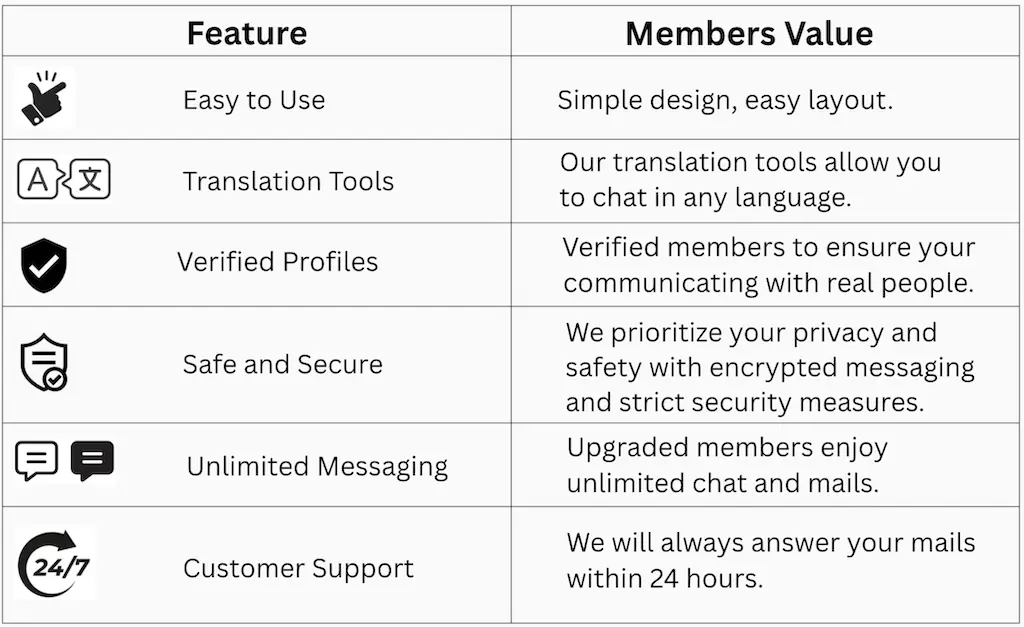
Just some of the features our members enjoy on LatinAmerican2date.com
Meet divorced Mexican women today. Join Free
Bryn jacobs Chief Editor
Hello dear users! I am Bryn Jacobs and I am your relationship advisor. Having a vast experience in the dating industry
having researched it myself. I write articles on the site about Latin American girls with statistics and interesting facts.


 Русский язык
 Deutsch
 Italiano
 Français
 Español
 Português
 Türkçe